

The Best Wall Insulation Estimator for Contractors in 2026 is a cloud-integrated platform that merges automated quantity takeoffs with real-time, local supply chain data. Therefore, the US insulation market approaches a valuation of $10.76 billion this year; the difference between a high-margin project and a financial loss can be determined by a single percentage point in material takeoff accuracy.
Similar digital tools, including the home estimator in the USA, are also reshaping how contractors and homeowners approach early-stage budgeting and material forecasting. Consequently, understanding the technical standards that differentiate high-performance estimators from basic tools is the first step toward securing your firm’s profitability.
Reliability in 2026 comes down to how well a tool handles the real world. A good estimate must account for waste factors, those inevitable scraps of fiberglass or overspray which typically eat 5% to 10% of your materials. If these factors are ignored, contractors effectively absorb those costs directly.
A modern wall insulation estimator must go beyond basic calculations and account for real-time pricing, waste factors, and regional cost variations. Contractors operating in the Northeast typically incur higher labor and logistics costs in the Midwest. High-quality estimators sync with local price indexes to ensure your all-in bid reflects the 4.6% annual cost growth currently hitting the US market.
The market is crowded, but a few names consistently deliver the reliability contractors need to sleep at night. Here are the top providers leading the pack this year:
Let’s be honest: spreadsheets are dangerous. Research shows that 88% of spreadsheets contain errors, and in construction, a single broken formula can cost you a six-figure contract. On a standard 10,000-square-foot job, even a tiny 1% error in your area calculation can leave you short on materials or way over budget.
Digital tools also help you move faster. When an architect suddenly changes the wall specs two days before the bid is due, a digital estimator updates your entire quote in seconds. This speed allows firms to submit 20% to 30% more bids every year without adding more office staff. Many firms now combine software tools with Affordable Construction Estimation services in USA to reduce workload and ensure bid accuracy without increasing internal staffing.
While a home estimator in USA handles general costs, insulation tools focus on detailed material accuracy. Technology in 2026 is all about eliminating pushing hard.Here is what you should look for in a modern solution.
Modern software uses AI to analyze your blueprints. Instead of tracing every wall by hand, the system identifies wall types across 50 pages and gives you an instant total for square footage and stud counts.
Prices change fast. The best estimators now feature Live-Links to suppliers. If the price of mineral wool jumps 5% on Tuesday, your bid software knows it by Wednesday morning.
You need a system that grows with you. Look for multi-user concurrency, which lets your whole team work on different parts of a large bid at the same time without overwriting each other’s data.
Know more about Top 10 Drywall Compound Estimator Tools (Free & Paid)
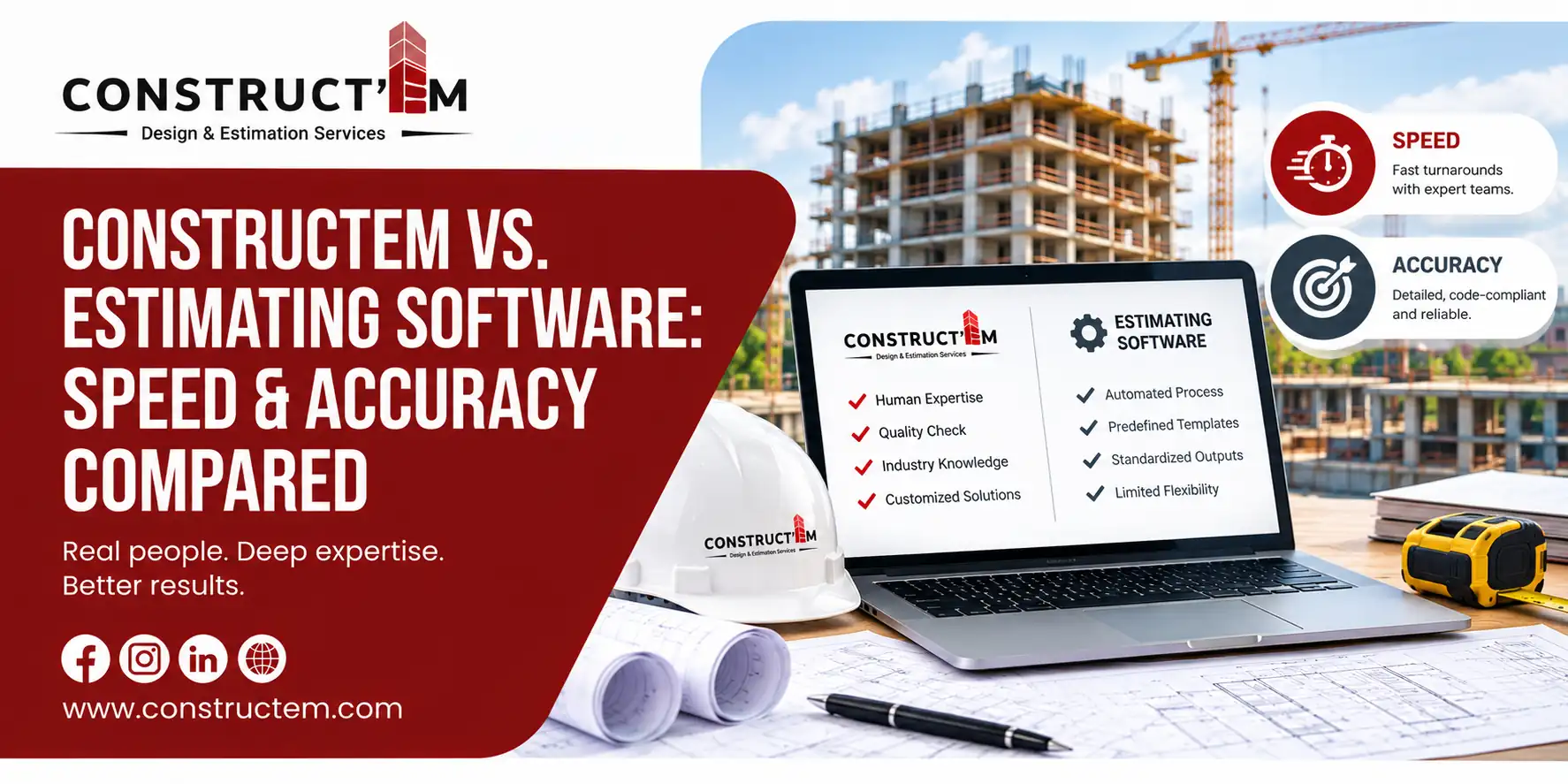
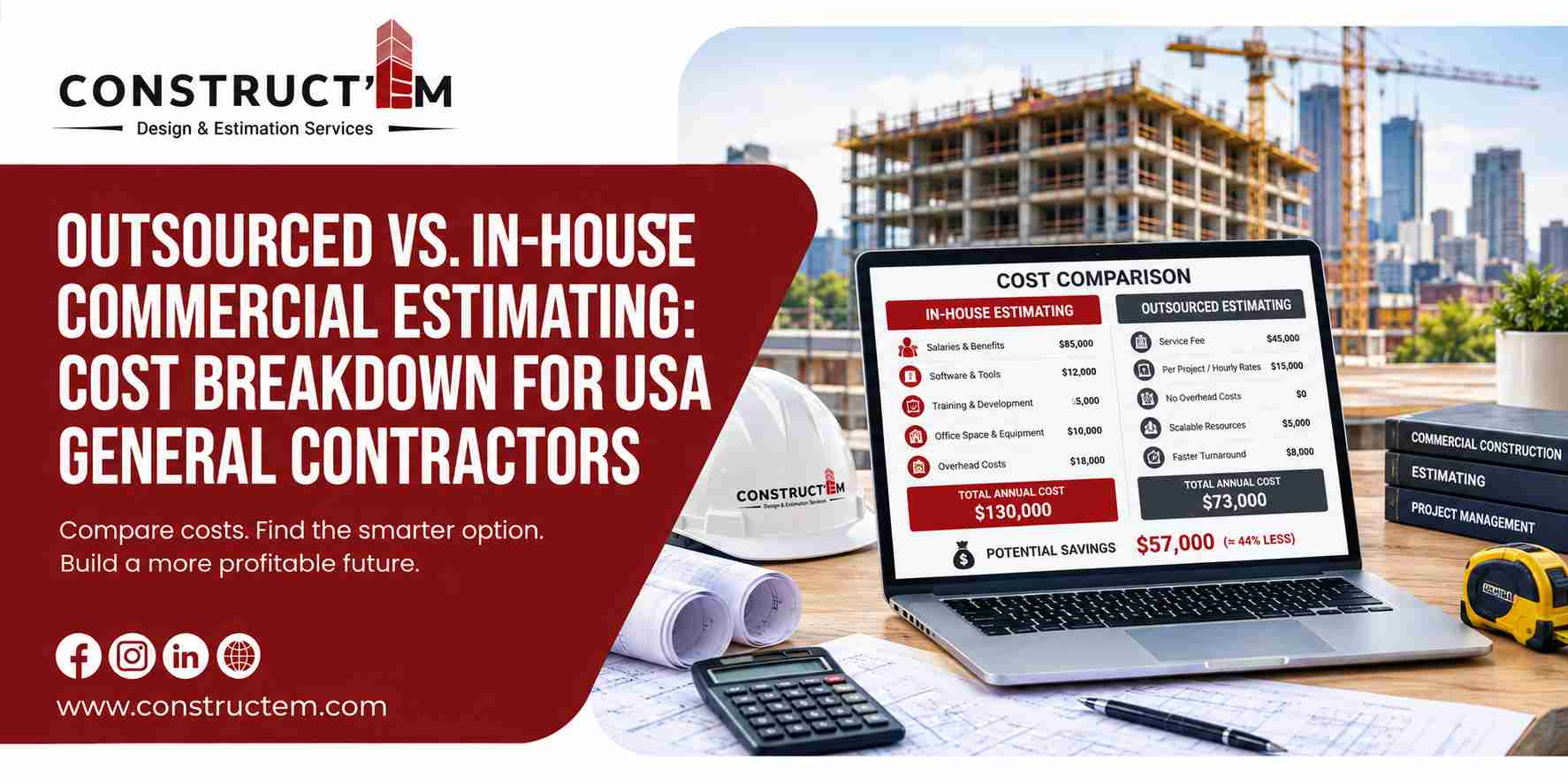
Sometimes, you don’t need new software; you need an expert. Utilizing Affordable Construction Estimation services in USA lets you outsource the tedious takeoff work entirely. These pros use the latest tech to give you a formatted, ready-to-present bid. For many small-to-mid-sized firms, this is the most cost-effective way to bid on high-value projects without hiring a full-time in-house estimator.
Contractors who prefer outsourcing can also rely on platforms like Constructem, which combine construction estimation expertise with advanced digital takeoff systems to deliver ready-to-use bid packages.
The Wall Insulation Estimator is the one that gives you confidence in your numbers in 2026. Whether you buy a high-end software suite or hire a professional service, the goal is simple: stop guessing and start winning. With energy codes getting tighter every year, your reputation depends on your accuracy.
Currently, prices range from $1.00 to $4.50 per square foot installed. This depends heavily on material type and the required R-value for your specific climate zone.
Fall is usually the sweet spot. You can often snag better labor rates as the summer rush cools down but before the winter emergency calls begin.
Fiberglass batts and blown-in cellulose remain the champions for ROI. They provide excellent thermal resistance without the high price tag of specialized spray foams.
Look for someone with a solid portfolio in your specific trade. They should be fluent in modern takeoff software and have a reputation for meeting tight deadlines.
Check the details in their reports. A superior estimator won’t just give you a total price, they’ll break down waste, labor hours, and specific material counts.




Social Links
days day
hours hour
minutes minute
seconds second
Lock in Flat 30% off before your quote reservation expires.
Precision material takeoffs & cost estimates delivered fast for USA Contractors.