

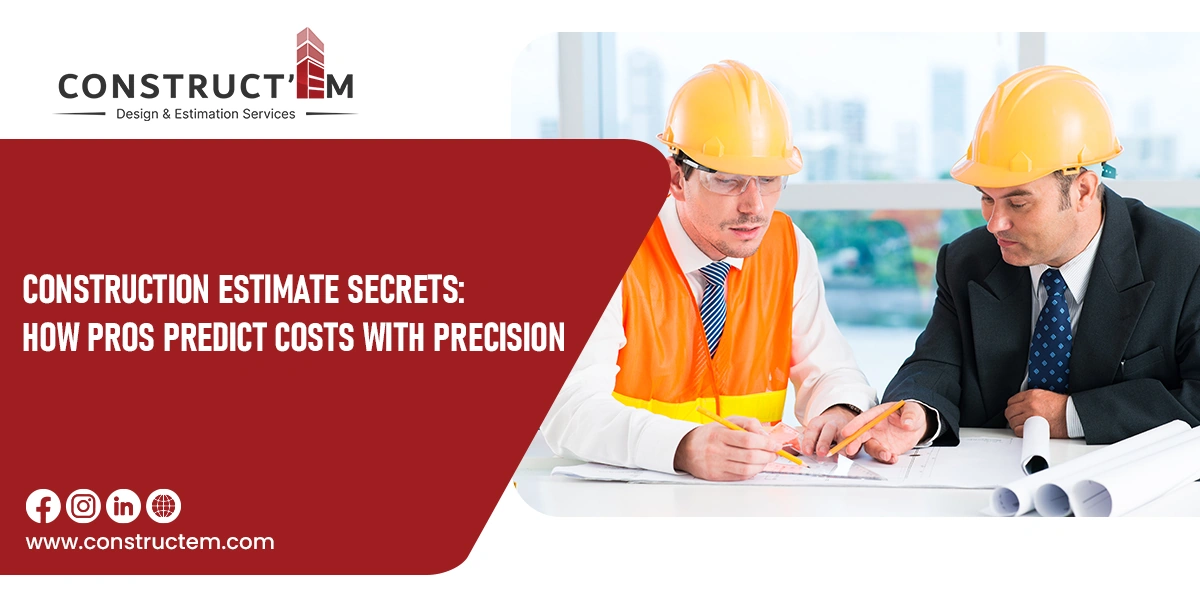
A precise construction estimate acts as the heartbeat of any successful building project. It ensures financial stability from the moment you break ground until the final inspection. Professional estimators use data-driven techniques to predict expenses with surgical accuracy. This allows developers and homeowners to secure funding and manage resources without stress. Without a solid budget, projects often face delays or total financial collapse.
Project success depends entirely on the accuracy of your initial budget. Underestimating costs leads to budget creep, where hidden expenses force builders to cut corners. On the other hand, overestimating makes your bid uncompetitive or stalls a residential project early. In contrast , a detailed cost analysis protects a contractor’s profit margins and builds lasting trust with clients through transparency. Clear material prices and labor rates prevent friction down the road. Furthermore, precision in house construction cost estimating ensures every dollar is properly allocated.
Basic calculations usually rely on guesstimates or broad square-footage averages. These simple methods fail to account for site-specific challenges like poor soil quality. In contrast, professional estimators dig much deeper into these variables to ensure total coverage.
Experts analyze current market volatility for raw materials like lumber and steel. Furthermore, they also factor in regional labor shortages and specialized equipment rentals. This granular approach transforms a simple guess into a strategic financial roadmap. It accounts for both seen and unforeseen variables before they hit your wallet.
Choosing the right estimating method depends on the project stage and the detail required.
Stakeholders use preliminary estimates during the conceptual phase to provide a ballpark figure. This helps determine if a project is financially feasible before spending on designs.
This is the most comprehensive estimate available today. It involves a complete breakdown of every single item required for the build. Professionals produce these only after architectural plans reach a final, approved state.
A quantity takeoff focuses specifically on the physical materials required for construction. Estimators measure lengths, volumes, and areas directly from blueprints to create a definitive list.
Contractors submit bid estimates to win projects in a competitive market. A successful bid must remain competitive while staying realistic enough to ensure high-quality results.
Professional estimators move past simple math by using sophisticated methodologies to ensure precision.
This technique breaks the project into the smallest possible tasks. Estimators calculate the cost for each tiny component and then add them up. It takes time but offers the highest accuracy for complex builds.
Parametric modeling uses statistical relationships between historical data and project variables. For example, an estimator uses the cost per square foot from past projects to budget a new home.
Also known as top-down estimating, this method uses the cost of a previous, similar project. It works best when a firm has deep experience in a specific niche.
This method accounts for uncertainty by calculating three distinct scenarios:
| Method | Accuracy Level | Best Use Case | Time Required |
| Bottom-Up | Very High | Final Bidding | High |
| Parametric | Moderate to High | Early Budgeting | Medium |
| Analogous | Low to Moderate | Initial Feasibility | Low |
| Three-Point | High (for Risk) | High-Uncertainty Projects | Medium |
Accurate cost prediction gives you a vital competitive edge in a crowded market.
Technology has revolutionized house construction cost estimating by replacing spreadsheets with dynamic algorithms. Modern software integrates with BIM to pull quantities automatically from digital designs. These tools update material prices in real-time by connecting to live supplier databases.
Cloud-based platforms allow teams to collaborate instantly without using outdated data. When an architect changes a window size, the estimate updates immediately. This reduces the human error that usually ruins manual data entry.
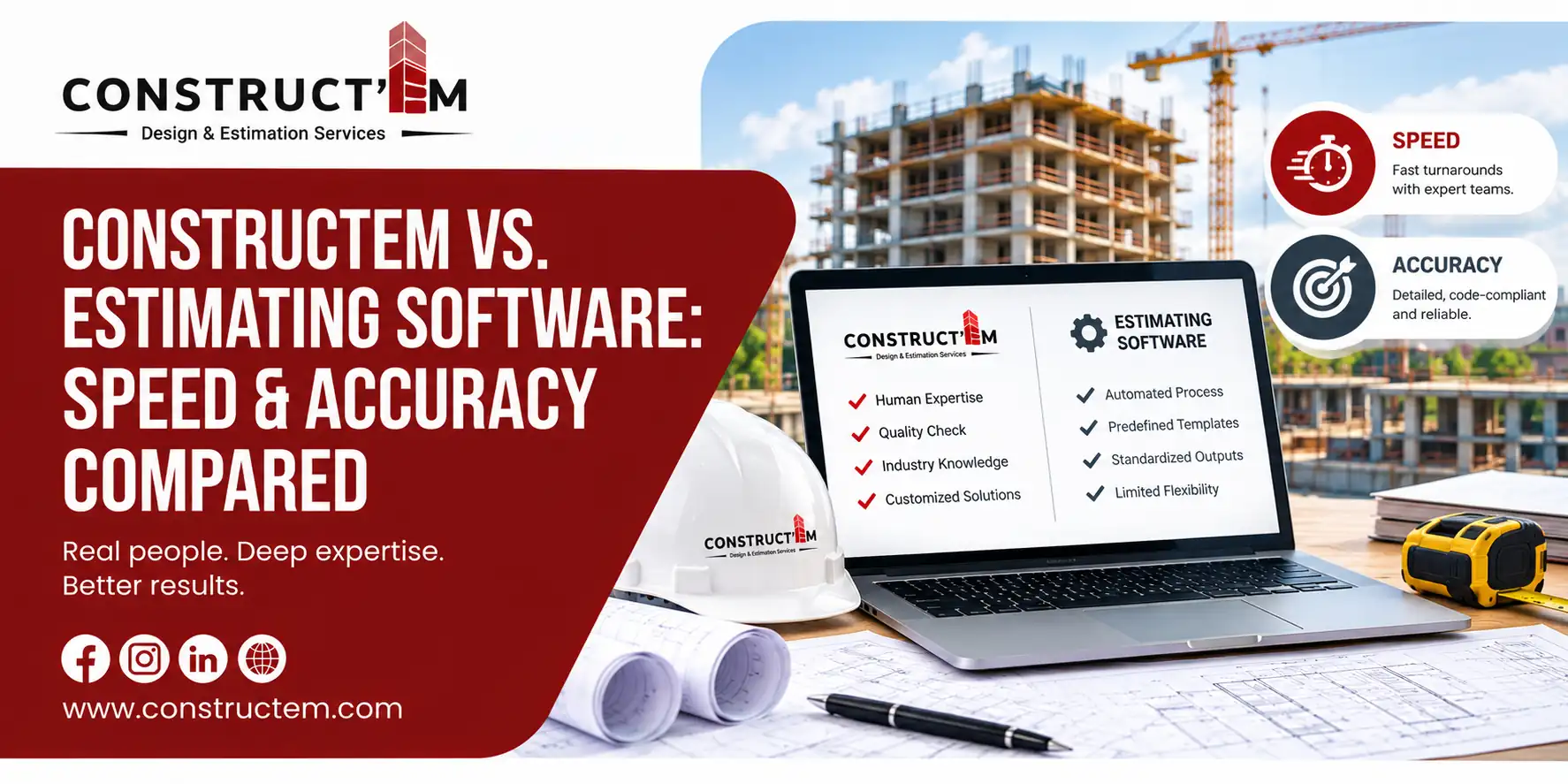
Seasoned pros still value their intuition, but software wins for speed and volume. Whereas, manual estimating excels at spotting unique site conditions that computers might miss. However, for large-scale operations, software remains the industry standard.
The best results come from a hybrid approach. Experts use software for heavy lifting and then apply judgment to “stress-test“ the results. This synergy ensures the final estimate is technologically advanced and practically sound.
A minor oversight can lead to massive financial gaps that kill a project.
Many homeowners try DIY budgets, but understanding how to estimate building construction costs helps reveal hidden expenses. However, residential budgeting services pay for themselves by uncovering hidden costs early. Hire a professional if the project involves custom features or strict regulatory requirements. They provide a level of precision that DIY spreadsheets cannot replicate.
Labor and materials drive costs, but other factors carry significant weight.
A solid estimate helps you understand the eventual return on investment.
Mastering a construction estimate requires technical data, historical knowledge, and modern tools. By choosing the right method and avoiding pitfalls, you keep your project profitable. Precision remains the only path to success for any build. For professional assistance with your next project, trust the experts at Constructem. You can visit our social media on Facebook & Instagram for more industry insights.
The Unit Cost Method is the industry favorite. Contractors assign a specific price to each unit of work, like the price per square foot of drywall.
Professional services use advanced software to catch hidden costs. This prevents budget overruns and keeps your project financially viable from start to finish.
Software automates the takeoff process and provides live updates on material prices. This reduces human error and allows for faster, more accurate residential bids.
An estimate is an educated guess based on current info. A quote is a fixed price offer for specific services that usually does not change.
Social Links
days day
hours hour
minutes minute
seconds second
Lock in Flat 30% off before your quote reservation expires.
Precision material takeoffs & cost estimates delivered fast for USA Contractors.